What made Speyside a whisky centre?
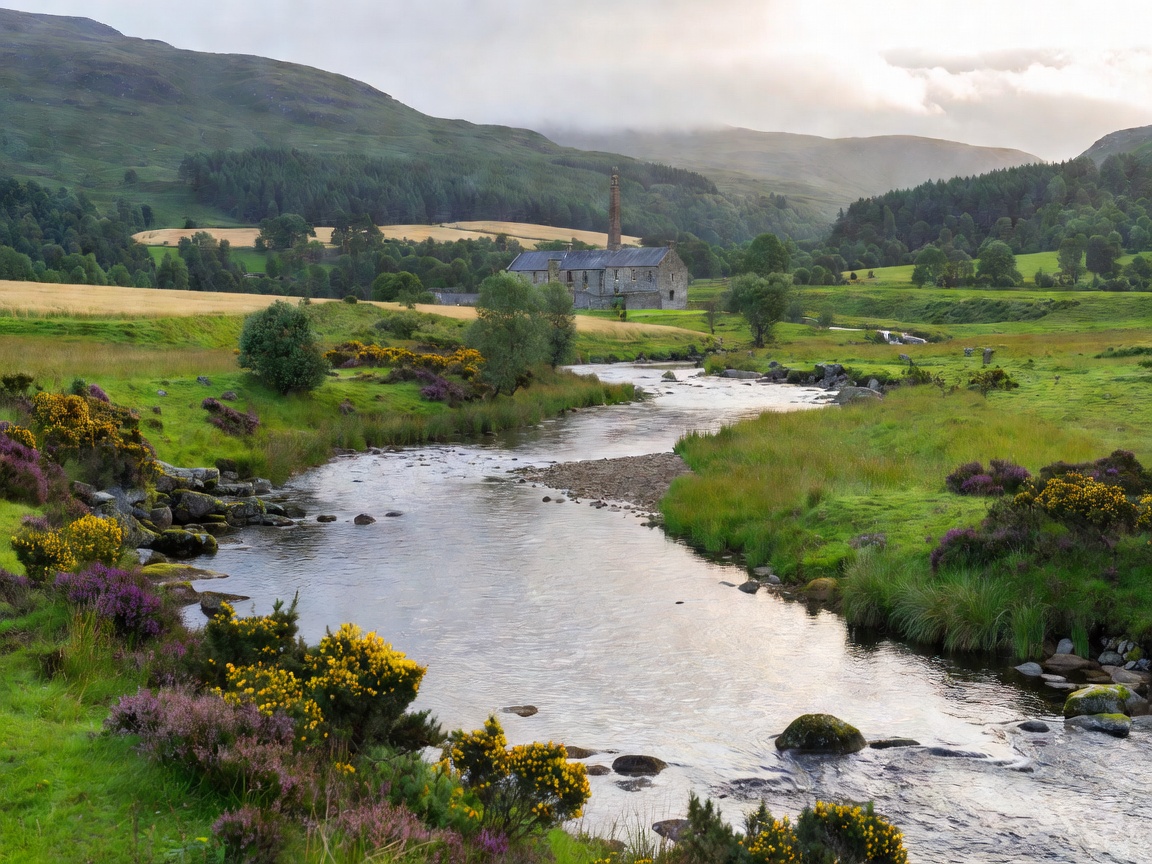
Speyside follows the River Spey and its tributaries in Moray and parts of the Highlands. The area’s soft water, barley-growing surroundings and later transport links helped distilling become a major local activity. Legal production expanded after the nineteenth-century changes that made licensed distilling more practical. The result was a close cluster of distilleries, warehouses, cooperage relationships and skilled labour.
Does the region guarantee a flavour?
No. Speyside whisky ranges from light, grassy and floral spirits to robust, sherried and sometimes smoky examples. The familiar fruit association often comes from congeners created during fermentation and distillation, then reshaped by oak. Esters can contribute apple, pear or stone-fruit impressions, while long fermentation and copper contact can produce a lighter, more aromatic spirit.
Which production choices matter?
Washback material, yeast selection, fermentation length and still shape all influence the new make. Tall stills and reflux tend to favour a lighter spirit; shorter, broader stills and less reflux can retain more weight. The spirit cut matters too. The middle portion, or heart, is selected for maturation, while unwanted early and late fractions are returned or redirected according to the distillery’s system.
Why are sherry casks so associated with Speyside?
Sherry-seasoned oak has long been important to Scotch maturation, and several Speyside bottlings use it prominently. European oak can bring dried fruit, spice and tannin; American oak commonly contributes vanilla, coconut and softer sweetness. A refill cask gives the spirit more room to show itself. First-fill wood makes a louder contribution, but “sherry cask” still does not specify oak species, seasoning duration or previous contents.
How should you compare two labels?
Start with age statement, bottling strength and stated cask information. Compare whether the whisky is a single malt or a blend, whether colouring or chill filtration is disclosed, and whether the label names a finish rather than full maturation. A Speyside label can describe a broad regional identity, but it cannot tell you the full production story.
What is the useful takeaway?
Expect range rather than certainty. If you want fruit and oak balance, look for spirit descriptions supported by cask information, but treat tasting notes as interpretation. Speyside is best understood as a production landscape: a region where water, barley, distilling history and a mature warehouse culture created many related yet distinct styles.