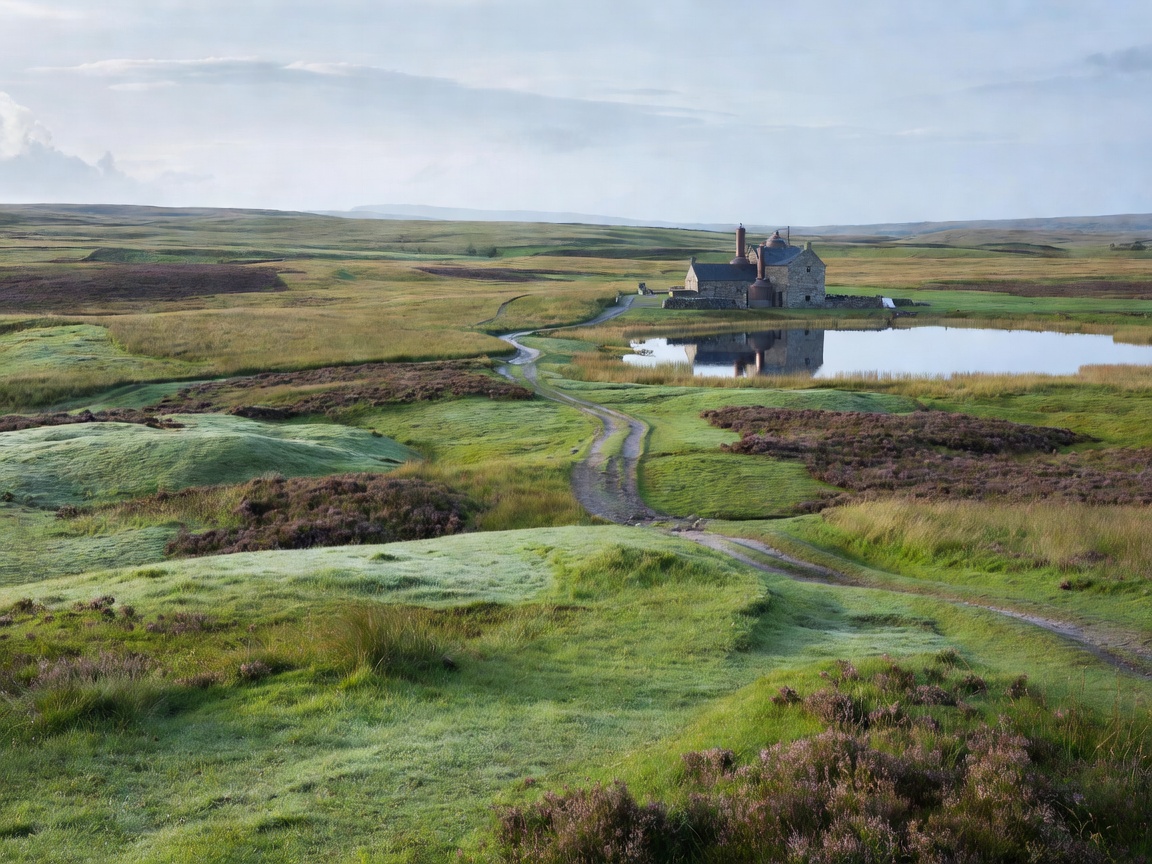
What is distinctive about the Lowlands?
The Lowlands are generally associated with the area south of the Highland line, including the central belt and the southern border landscape. Historically, the region had strong links to urban markets and grain production. Its distilling story also includes a major role for grain whisky, not only malt whisky.
Does triple distillation make every Lowland whisky light?
No. Triple distillation can produce a higher-strength, often lighter spirit by giving the liquid another opportunity for separation and copper contact. But it is a method, not a guaranteed tasting result. Many Lowland whiskies are double distilled, and fermentation, still shape, cut points and casks can create considerable weight.
What flavours are associated with the region?
Grass, cereal, citrus, flowers and soft fruit are common descriptors for lighter Lowland spirits. These impressions can come from a clean new make, fermentation choices and relatively active bourbon oak. They are not proof of a regional formula. A rich sherry maturation can move a Lowland whisky towards dried fruit and spice.
How did grain whisky affect the region?
Grain whisky is made using cereal grains and generally operates with continuous column stills, while malt whisky is made from malted barley and distilled in pot stills. Grain whisky can be used in blends, where it provides a lighter base for malt components. The Lowlands’ industrial links made this style especially significant to Scotch whisky’s wider history.
What should you look for in the cask information?
American oak may support citrus, vanilla and gentle sweetness. Sherry-seasoned oak can add colour, spice and dried-fruit notes. Refill casks allow a lighter spirit to remain visible, while first-fill wood can dominate more quickly. If a label mentions a finish, ask how long the whisky spent in its first cask and what the finishing wood was.
How should beginners use the Lowland label?
Use it as a prompt to explore lighter spirit, not as a promise. Check whether the bottle is malt, grain or a blend, then read the age and cask details. Comparing a triple-distilled malt with a grain whisky is not a direct regional comparison, but it can clarify how raw material and still technology change texture.