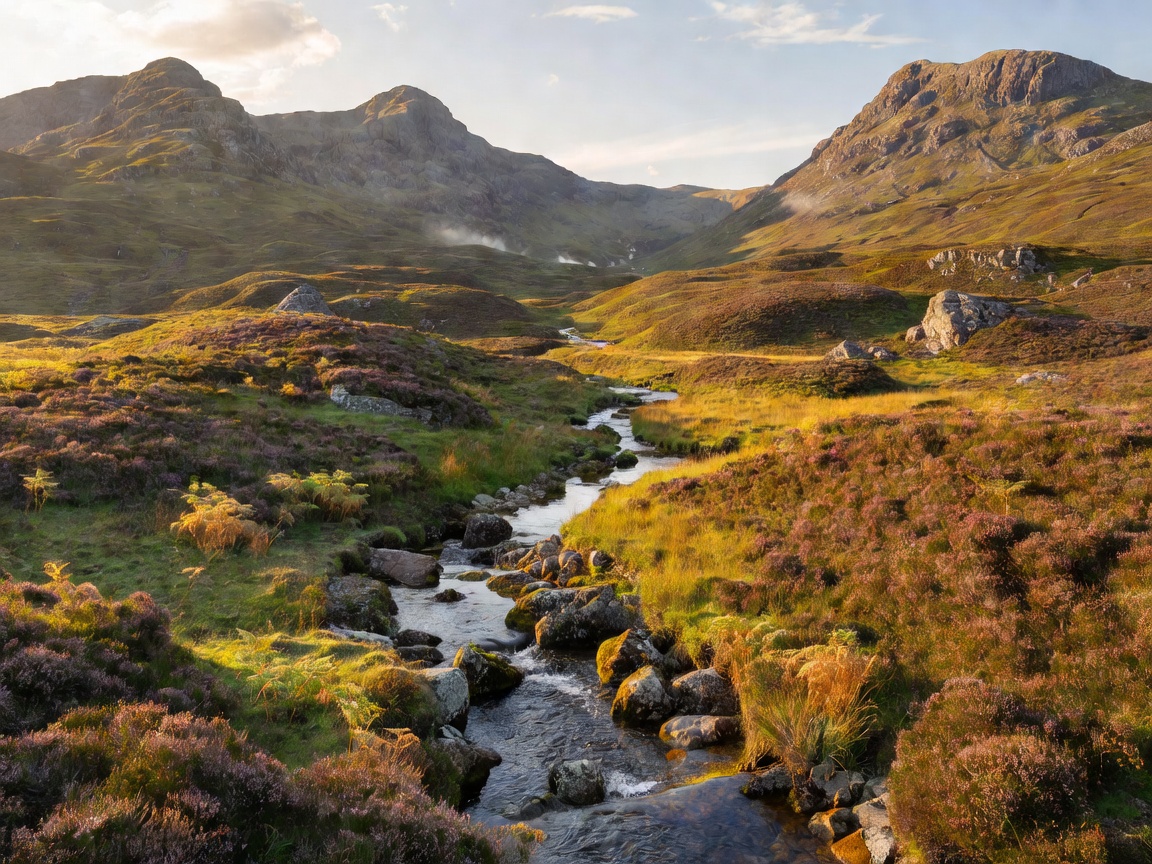
Why is the Highlands category so broad?
The regional boundary covers much of mainland Scotland outside the Lowlands, with islands often discussed alongside the Highlands in whisky classification. Its geography includes coast, moor, farmland, mountains and river valleys. Water sources, barley logistics and local distilling histories therefore differ considerably.
Can a Highland style be defined?
Only cautiously. Northern Highland whiskies may be described as weighty, waxy or lightly smoky; eastern examples can be fragrant and fruit-led; western and coastal spirits may show brine, smoke or a fuller texture. These are tendencies, not rules. A distillery’s stills, fermentation and cask programme can matter more than a map.
What happens before the spirit reaches oak?
Malted or unmalted grain is mashed with hot water to extract fermentable sugars. Yeast converts those sugars into alcohol and flavour compounds during fermentation. Distillation then concentrates alcohol and separates compounds according to volatility, reflux and the still design. The distiller’s cut determines the balance entering the cask.
Why does still shape matter?
Tall stills encourage more copper contact and reflux, often producing lighter spirit. Broad stills can allow a heavier character through. Condenser arrangements, heating method and distillation speed also influence the result. These mechanisms are useful for comparison, but they do not predict a finished whisky on their own because oak and time can transform the new make.
How do Highland cask policies differ?
Some producers build a profile around refill bourbon casks, allowing spirit character to remain clear. Others use sherry-seasoned oak, wine casks or finishes for additional colour and flavour. First-fill casks contribute more assertively than refill casks. A label should distinguish a full-term cask from a shorter finishing period wherever that information is supplied.
What is the best way to compare Highland bottles?
Compare like with like. Put age, strength, cask type and stated peat level beside the regional name. Then consider whether the whisky is from a single distillery or a blend. Highland tells you where the whisky sits in the broad classification; production and maturation tell you what the bottle is likely trying to express.