 01
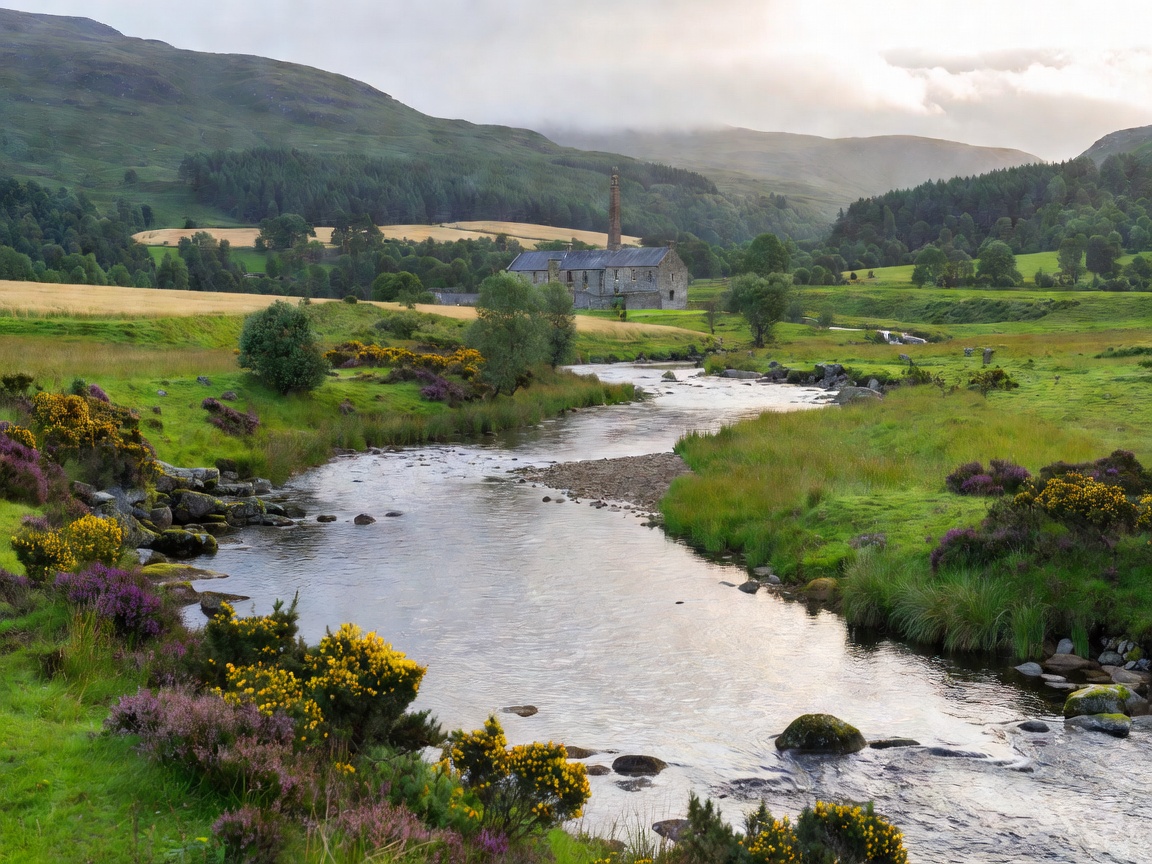
Speyside
Fruit, floral notes and careful cask-led balance.
A field guide to Scotch whisky
Region is a useful starting point, not a flavour guarantee. Follow the water, stills, peat, yeast, wood and time, then read the label with fewer assumptions.
Explore the regions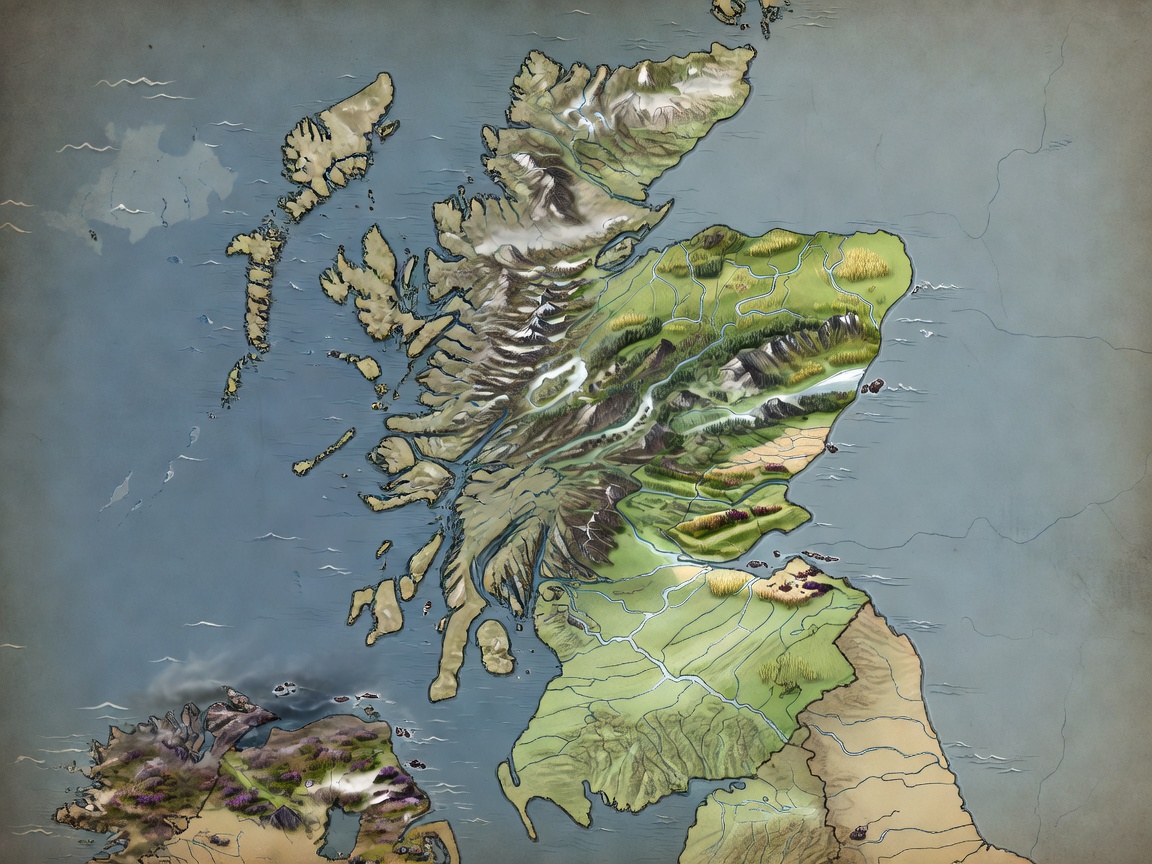
The index
These pages separate broad regional tendencies from the production decisions that actually reach the glass.
01Fruit, floral notes and careful cask-led balance.
 02
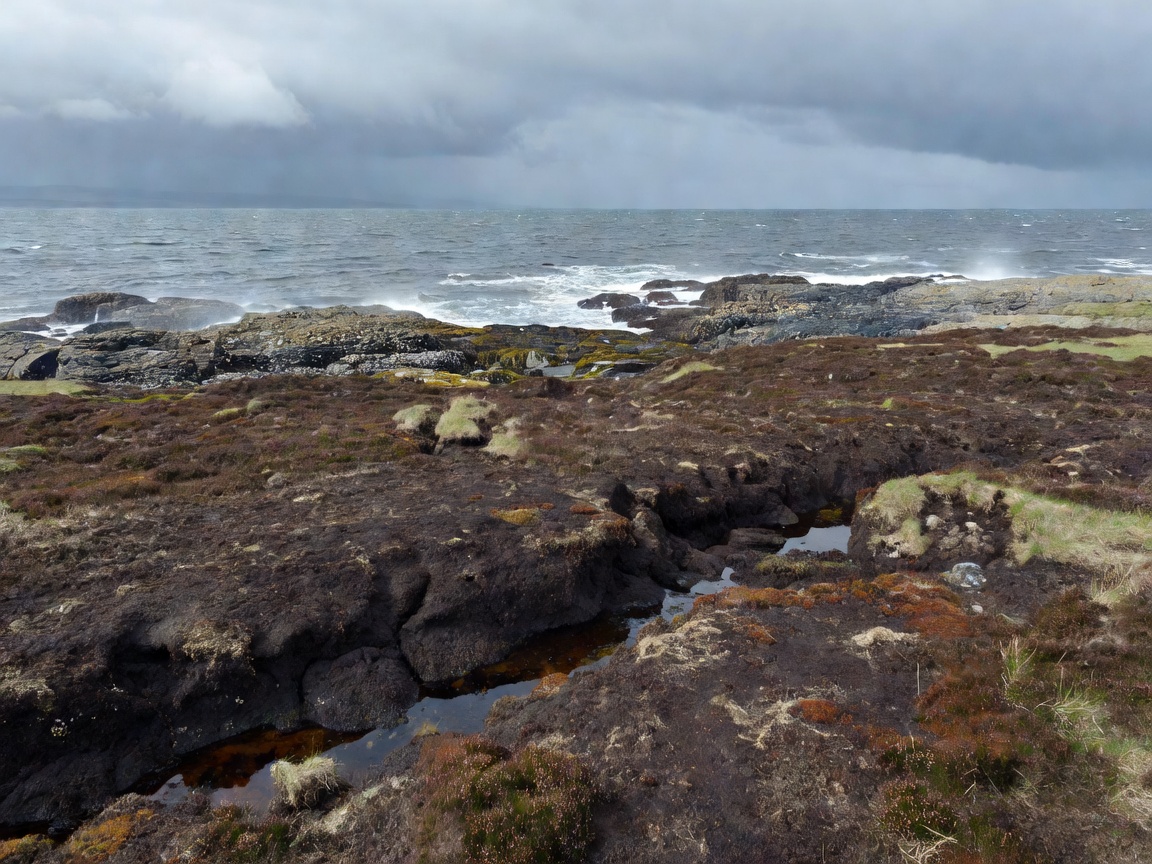
Smoke, salt and a wide range of coastal styles.
 03
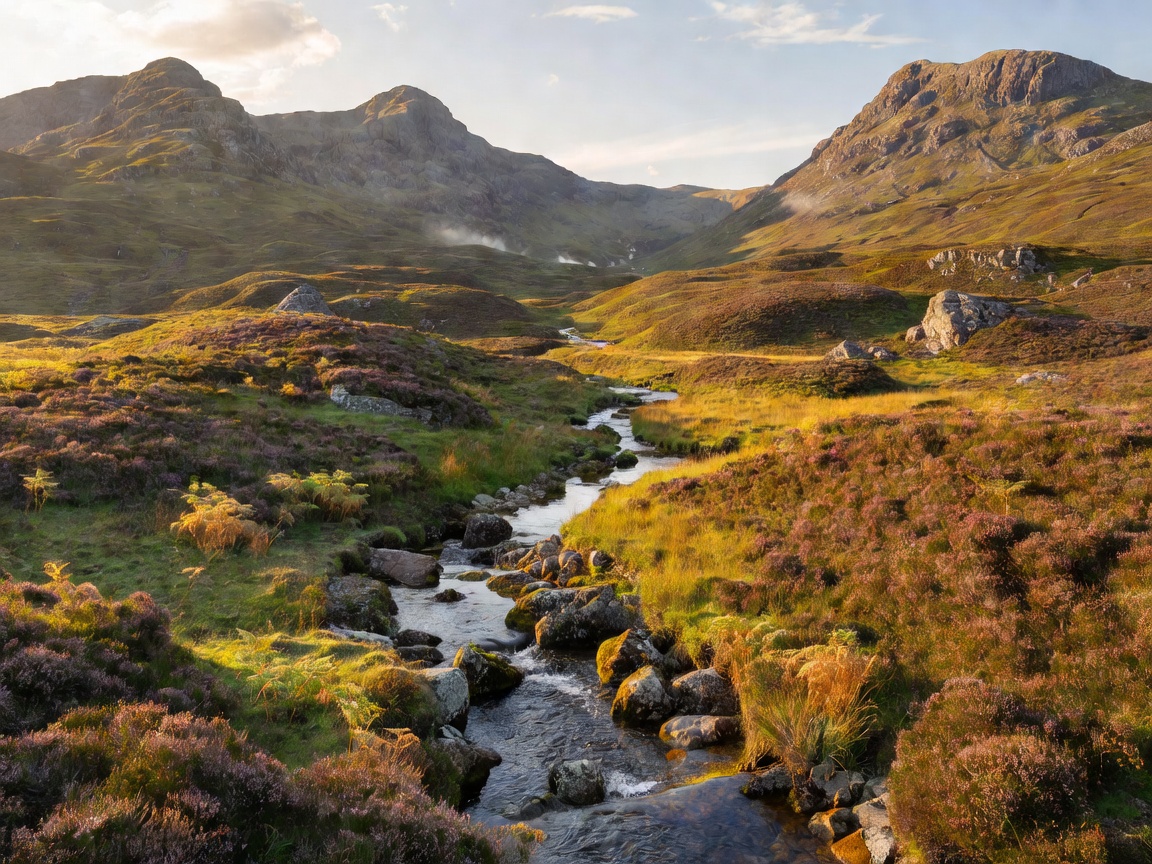
The largest region, with no single house style.
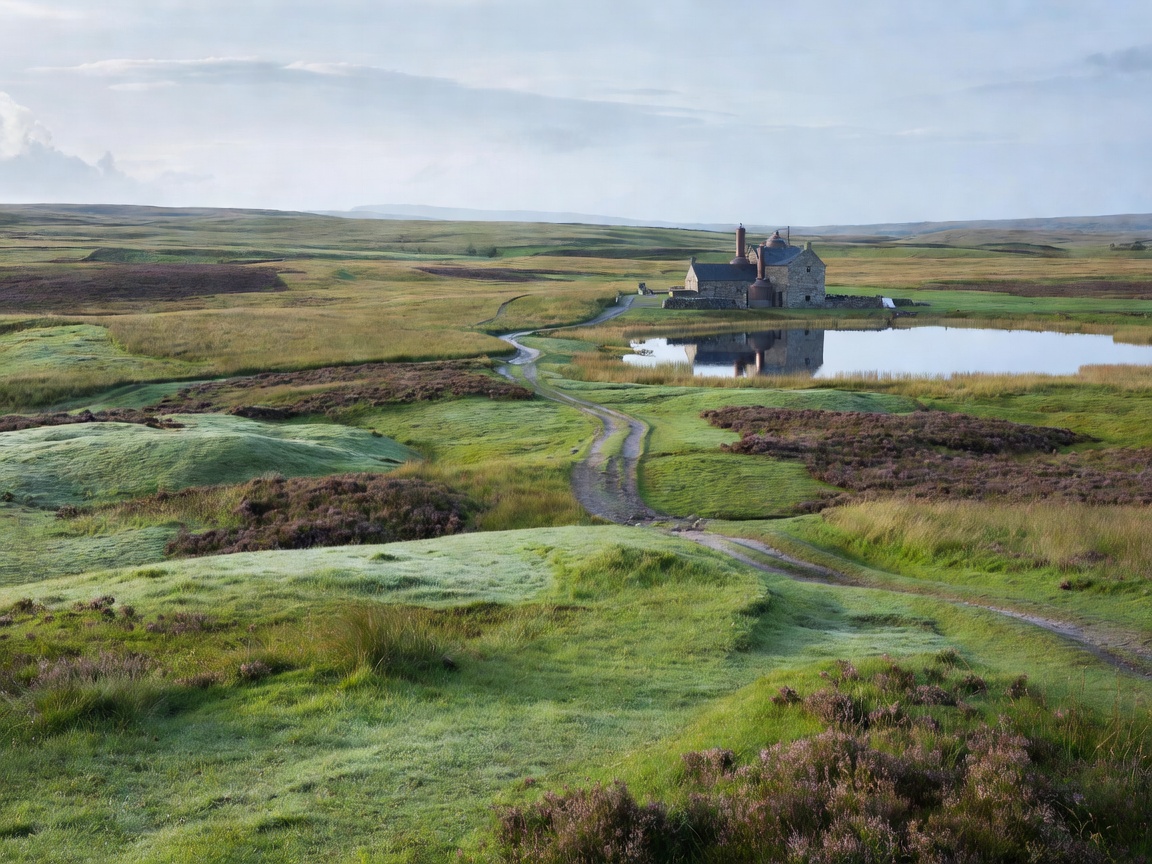 04
Lightness, triple distillation and urban history.
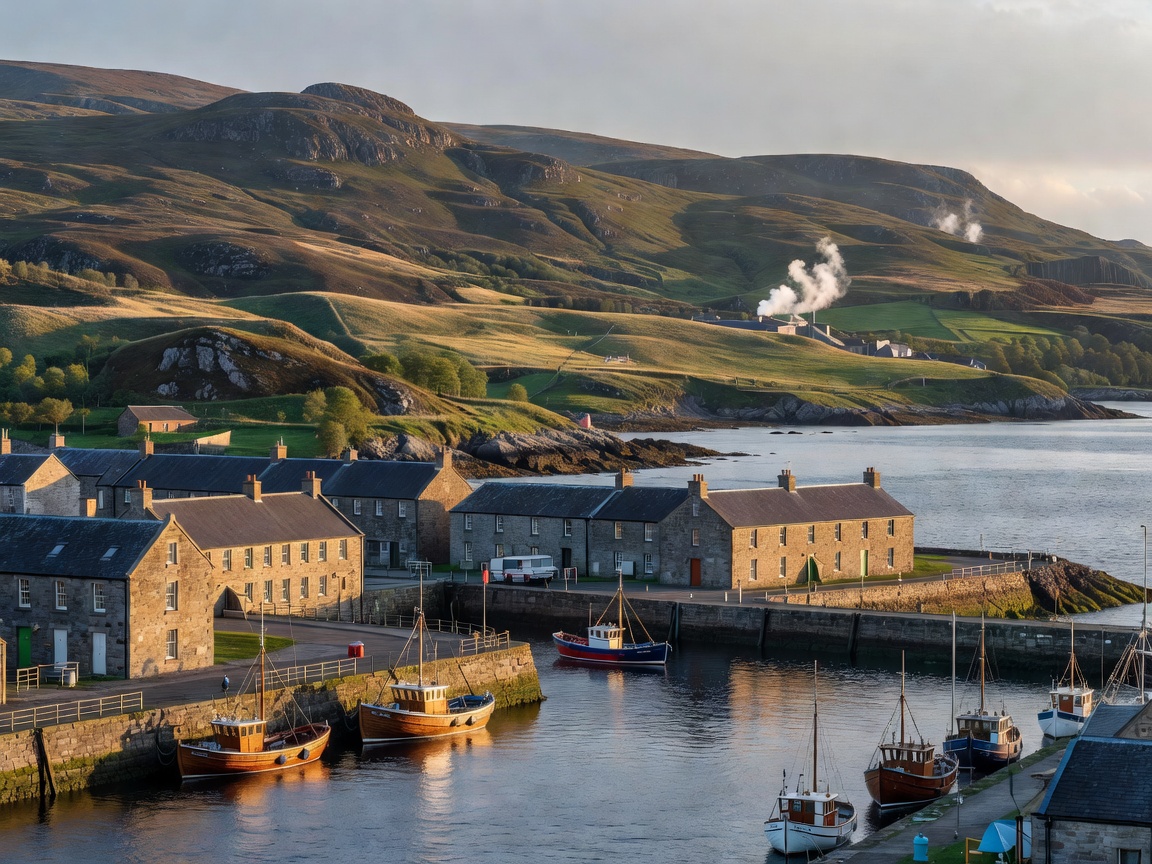 05
Maritime depth, oiliness and a compact identity.
How to use this site
Scotch whisky must be produced and matured in Scotland under the Scotch Whisky Regulations. Yet the regional names on a bottle do not replace technical detail. Mash, fermentation, distillation, spirit cut, cask type and maturation conditions all matter.